Hampden House of Horror

I live in the UK, in the leafy county of Buckinghamshire, and (as anyone who has read my books will know) I derive a lot of inspiration from the local landscape. Eagle eyed readers familiar with my neck of the woods will spot my local Christmas tree plantation within the pages of ‘The Jack in the Green‘ and the dank passageways of Hellfire Caves in the third act of ‘The Lamplighters‘. I was out jogging this morning on the steep sylvan slopes of ‘The Lucifer Glass‘ and it reminded me how much inspiration I glean from the places I frequent (it also reminded me how out of shape I am after long hours behind the writing desk, but that’s perhaps another story).

It was Fathers’ Day here in Blightly a few weeks ago, and my family and I decided to pack a picnic and head out in the drizzle somewhere. As it was ‘my’ day I got to choose the destination, and so I opted for a place that has been something of a lifelong icon for me – Hampden House.

This slideshow requires JavaScript.

Hammer Films took (eek!) possession of the building in 1979 and made it the company’s base of operations until 1982. During that period, Hammer moved into telly and filmed several episodes of Hammer House of Horror and Hammer House of Mystery and Suspense in and around the building and environs.

As a youngster, I was raised on a strict diet of Hammer Horror movie double bills. Later, at the tender age of 11, it was the turn of the TV series to creep the hell out of me, especially the episode with the gnarly-fingernailed hitchhiker…and the werewolf episode complete with pregnant wolf-mother scoffing chopped liver as she drove to the obligatory house in the woods.

As we sat opposite the very house that appeared in those hallowed opening titles, eating our sandwiches in the rain I realized how lucky I am to have such amazing, inspiring places on my doorstep.

So join me in raising a plastic Thermos cup of lukewarm tea in a toast to a little inspiration.

It goes a long way.

What are the places that inspire you, and why? Comment below please!

Rest In Peace Iain Banks x

I had the rare pleasure of drinking with Mr. Banks on a few occasions and enjoyed being set straight on a couple of things by him. We laughed a lot about my then favourite word, “cuntstruck”. Then he was away for his beloved kebab.

A lovely man with a brain the size of several planets, the man and his brilliant work shall be sorely missed. By one more than all – his wonderful wife Adele, my dear friend and The First Lady of Horror, to whom i send all my love and hopes and booze x

At time of writing, Michael Gove is still breathing. No justice in this world.

20130610-134456.jpg

In Memoriam: James Herbert

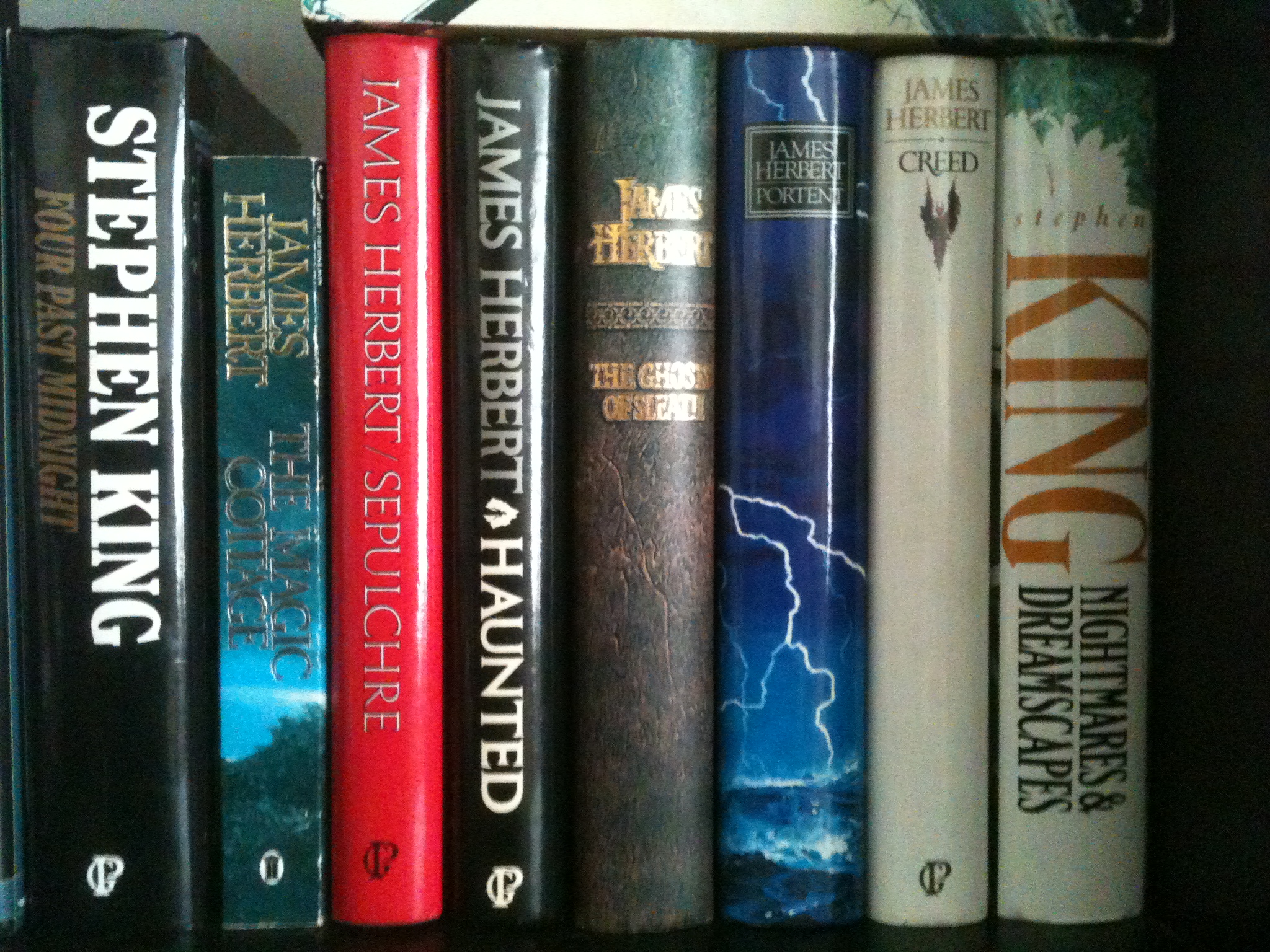
one of my bookshelves, earlier today

one of my bookshelves, earlier today

It came as a shock to hear of James Herbert’s untimely passing last week. Just a few days earlier I was walking to work and paused to  admire a bookshop’s window display for ‘Ash’, the great man’s latest – and now last – novel. Much has been written about Mr Herbert hence, and I particularly enjoyed Colum’s thoughtful piece at Dreadful Tales, which also includes tributes to David B. Silva and Rick Hautala, two more genre giants who sadly passed recently. Christopher Fowler’s brilliant blog gave further insight into the phenomenon of Herbert’s fiction and author Hari Kunzru evoked the school kid hobby of passing around dog-eared copies of The Rats and The Fog in an attempt to out-gross one another.

From a personal perspective, a couple of blog posts ago I mentioned how I admired Mr Herbert from afar during an interview he did at The London Dungeon many years ago. I remember how starstruck I was to see the great man in person. Now I think of it, so was everyone else in the room (or rather, the dungeon) that day as he wrapped everyone around his finger with his charm and fantastic sense of humour.

And I remain starstruck to this day.

Sure, the numbers are one thing (23 novels, worldwide sales of over 54 million copies) but the man’s ideas are another. Each and every book brought something fresh, enticing and fun to the party. An author friend posted online that he felt sad that there would be no more James Herbert books. I feel that sense of loss too, but the great thing about true legends is that they never really die. I haven’t read ‘Ash’ yet, and I’m looking forward to savouring each and every page. And I realised when I snapped the photo to accompany this blog entry that I never finished reading ‘Portent’. And when I’m done with those? Books like Herbert’s demand to be read and re-read, over and over.

Because true legends never really die.

R.I.P. James Herbert. May your tales haunt the nightmares of generations to come.

End of an era: The London Dungeon

The London Dungeon is moving.

What? They can move dungeons now? Apparently so.

The old Tooley Street venue, famed for its crumbling, rumbling arches (situated beneath London Bridge railway station) and dank, dripping alcoves is to be dropped in favour of new premises further along the river near to the London Eye. It will be interesting to see if the new locale will try to emulate the atmosfear (pun intended) of the old, or create the shock of something new.

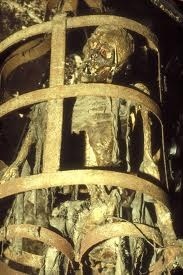
The Tooley Street Dungeon holds a special place in my heart and many fond memories – I worked there for a few years back in the early 90s, made many friends and frightened a lot of people. Yes, my weekend job as a student was jumping out on tourists and scaring them half to death (a fainting meant it was time for lunch – job done) which really was as much fun as it sounds.

I impersonated Michael Jackson there once, following a rumour he was going to visit (these were much thinner days you understand) and I was chased down Tooley Street by rabid paparazzi screaming “Michael!” I even waved a single white-gloved hand at them from the upstairs window before the ruse was up – he’d gone to Hamley’s instead. I also secured my first ever runner’s job following a video shoot at the Dungeon, and had several fanboy moments meeting the likes of Robert Englund, Tom Baker and James Herbert who were just some of the stars being filmed/interviewed among the torture implements.

Now, thanks to the move, you can own a piece of this unique horror history. The Dungeon is holding a car boot sale in Pimlico on Feb 3rd, so if you fancy bagging some thumbscrews or a scold’s bridle of your very own you know where to go.

I recall a time during my tenure at the Dungeon when several old exhibits were to be consigned to the scrapheap. I rescued one – the curvy, blood-drenched form of Countess Elizabetha Bathory herself – took her home in a cab

“guess who i had in the back o’ my cab last night? only bleeding Countess Dracula! nah, she didn’t tip”

and placed her at the foot of my bed where i could keep an eye on her. And there she stayed, until I – like the Dungeon today – moved house… and discovered she was full of cockroaches.

Ghastly.

RIP London Dungeon, here’s wishing you an equally ghastly afterlife (hopefully for the right reasons).

20130122-164738.jpg

The Curse of the First Time Director

A few thoughts on filmmaking today, inspired by recent events and trends.

In addition to my screenwriting, novel writing and short stories, I also directed a couple of short films; On Edge (1999), Red Lines (2002) both with the now defunct Robber Baron Productions, and some TV promos; True Horror With Anthony Head (Discovery Channel, 2004).

So, I haven’t directed anything in eight years, and am often asked the question, in interviews and Q&As, why not?

Naive (and much younger) me thought that making a couple of award-winning shorts would pave the way to feature directing. Not so. I have scratched a living these past 8 years as a screenwriter/script doctor, secretly hoping those credits would also stand me in good stead for a feature debut. No dice, as yet.

It’s certainly not for lack of trying. Over the past decade I’ve had a number of potentially brilliant feature length projects in the works, writing and polishing and rewriting dozens of screenplay drafts for each at the behest of producers and executives keen on shaping the project to the demands of the marketplace.

Truth is, financing a movie seems to be the most difficult thing on earth. I recently completed a round of talks about one of my screenplays to which I’m attached as director and I was told point blank, by the producer that not one of his investors would risk financing a movie with a first time director attached – too risky.

So how do first time directors get to cut their first feature if no-one is willing to risk taking a punt on them? Surely the film biz is one built entirely on risk? “Nobody knows anything,” William Goldman reminds us – and even a seasoned director can make a turkey. It’s a frustrating chicken and egg situation and the longer it goes on, the greater the (perceived) risk.

All the meetings I’ve taken, all the unsuccessful funding applications I’ve made (for shorts and features) have taught me one thing – one simple, inconvenient truth: 

Movies cost money – and it is usually someone else’s money. Even if you go down the microbudget route, you have to pay insurance for your shoot, catering for your cast and crew, transportation costs, etc., etc.

Add to that the growing trend in the movie business; first-timers get it done for free. “Just pick up a camera and shoot” is an approach that has worked for some, sure. But it sets a precedent. First timers are expected to self-finance and prove themselves, screenplays are expected to be optioned for free. This is a difficult environment for anyone who has a family to support, bills to pay. It’s “a game for the young” as wise old Admiral James T. Kirk once said.

After reading Christopher Fowler’s revealing blog post on the subject of “the death of the script“, it seems the new wave of first-timers are eschewing a script entirely in favour of improvised microbudgeters, edited on-set on laptops. No risk to anyone else, and the filmmaker (no longer a first-timer anymore) then gets hired to do studio remakes…

See, after a decade in development hell I’m becoming cynical! Maybe it is time to give up after all.

But I might just take one more meeting first.


R.I.P. Ray Bradbury, 1920-2012

As a kid, I read Ray Bradbury’s ‘The Garbage Collector’ and it changed my life, my whole perception of what words could do. Into adulthood (if you can call it that) I have continued reading, and watching, the great man’s stories and you know what? He still has the same effect, every word.

And he always will.

A bright light snuffed out but a brilliant star shines on.

This one’s for you, Sir Ray of Bradbury:

Shine On…

The Book of the Film

Received my author copy of the ‘Panic Button’ paperback today (thanks to all at All2gethr HQ!). This is, of course, my movie novelization based upon the screenplay for the film (out now on UK DVD/Blu-ray). The Panic Button book is out now (from the film’s producers via their imprint ‘All2gethr Industries’) & available at both Amazon.com and Amazon.co.uk. My thanks to John Shackleton, David Shillitoe and Gareth Davies for their help & support.
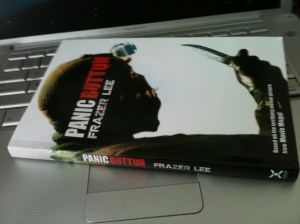
Panic Button - the book of the film OUT NOW!

Panic Button - the book of the film OUT NOW!

So, I got to thinking about all those ‘books of the film’ I devoured as a kid. Movie novelizations have always been a bit of a guilty pleasure, but in recent years there has been a bit of a resurgence in interest with tentpole genre movie adaptations from cool writers such as Ramsey Campbell and Tim Lebbon, among others. Is that me trying to justify indluging such a guilty pleasure, by saying they’re cool? Truth is, I’ve always enjoyed them!

Showing my age here, but this was back in the day when home video was yet to arrive and change things forever. The closest a kid could get to the cinema experience was the old Universal/Hammer tellybox double bills on the BBC over the weekend, or a special screening of six minutes (WOW, SIX MINUTES!) of silent Super 8 footage from “Star Wars” (as it was then known, none of this “Episode IV” malarkey) at a wealthier friend’s house. Sigh, those were the days when the only spoilers for a movie were contained within the shiny panels of a fold-out collectable poster magazine, of which I had dozens as a child – everything ranging from E.T., through the Star Trek movies, to Flash Gordon and Buck Rogers (“ee-gee-bee-gee-bee-gee, what’s up Buck?”). Which brings me neatly back to ‘the book of the film’.
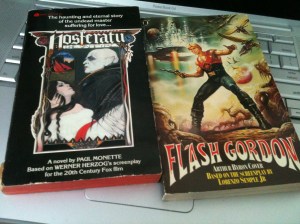
Red pages, movie stills, BORE WORMS!

Red pages, movie stills, BORE WORMS!

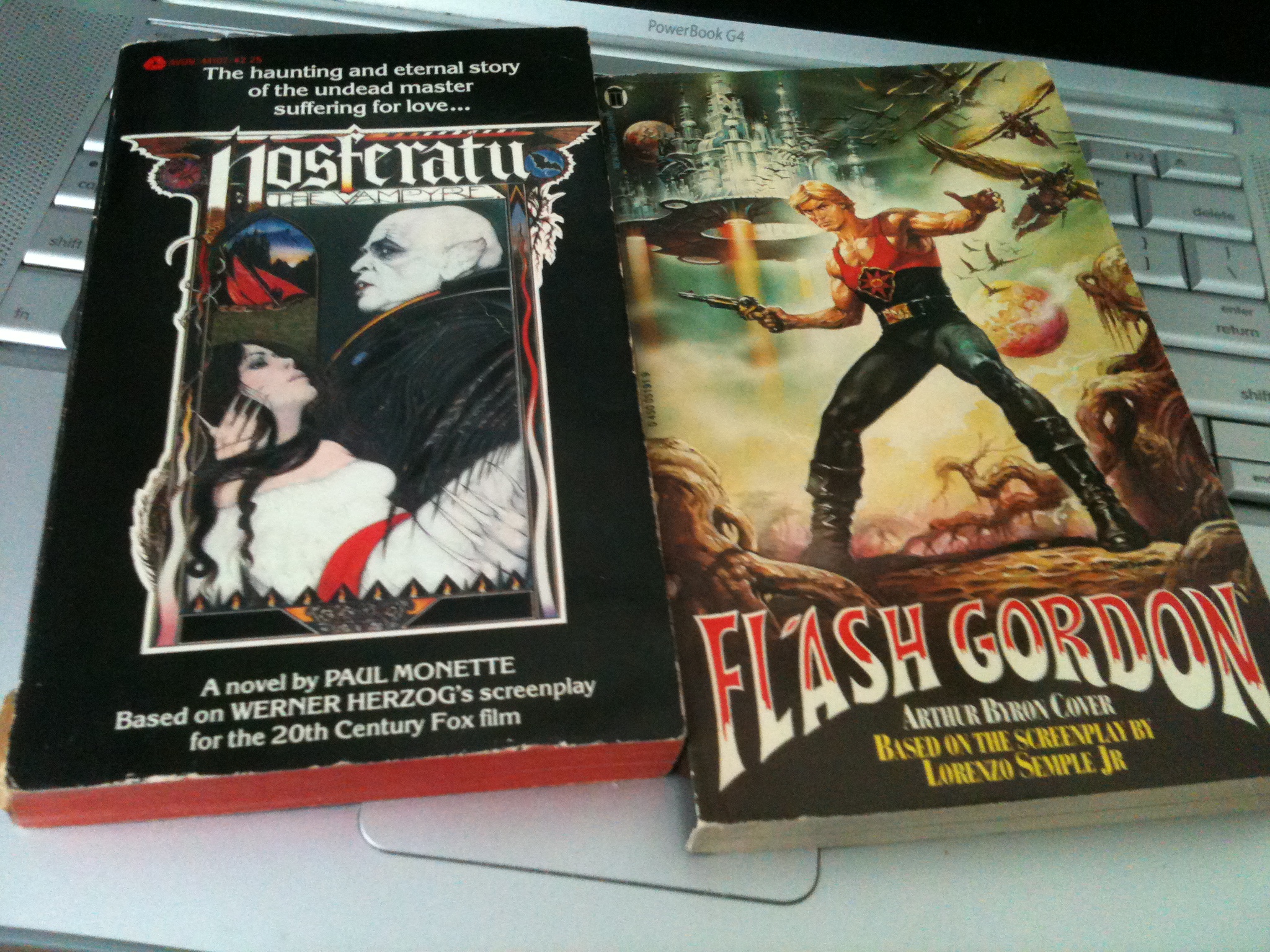
I often read (well, devoured, is probably a truer term) these ahead of the film in question’s release, spending long hours poring over the ‘8 pages of color photographs!’ sandwiched between the already-yellowing pages of high octane movie-based narrative and snappy dialogue. Part of the fun was seeing how the events in the book matched up with the film when I finally got to see it, kind of an act of adaptation in reverse, if you will. Some of my favorites still grace my shelves, Arthur Byron Cover’s ‘Flash Gordon’ being an all-time fave of mine. I loved the lurid, 30s, pulp fiction style of Cover’s adaptation and still do – especially the chapter subtitles, which YELL at the reader, for example: ‘CHAPTER SEVEN: FLASH BITES THE BIG ONE!’ I had no idea, at the tender age of ten years old, what ‘biting the big one’ actually meant. But it made quite an impression on me, especially in the context of the ‘8 pages of color photos!’ which featured the lovely Ornella Muti as Princess Aura about to fall victim to the dubious attentions of the ‘bore worms’. “Underling, I’m bored. What plaything can you offer me today?” says Ming the Merciless. Quite.
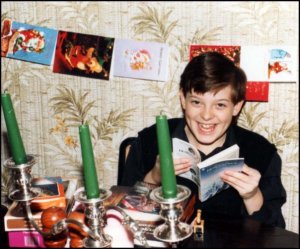
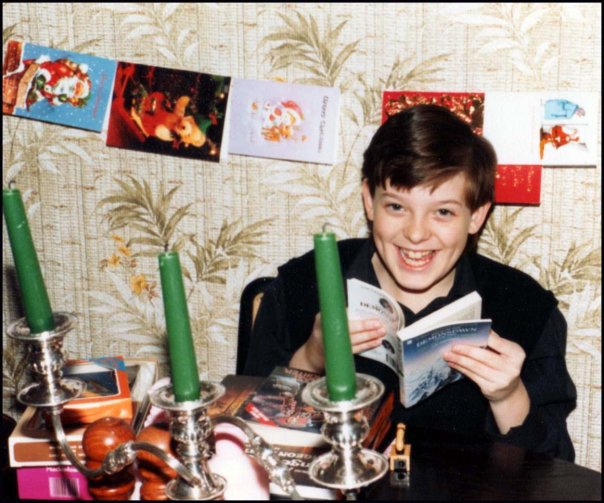
Me, circa 1983. Santa brings The Last Starfighter. Happiness ensues.

Me, circa 1983. Santa brings The Last Starfighter. Happiness ensues.

Other cherished movie reads of mine included ‘Star Wars’ and its pre-‘Empire Strikes Back’ “sequel”; ‘Splinter of the Mind’s Eye’ (both from movie novel legend Alan Dean Foster), ‘TRON’, ‘The Last Starfighter’, ‘The Black Hole’, ‘Krull’, ‘Outland’ and, of course, the grandaddy of them all, William Kotzwinkle’s (LOVE that name) ‘E.T. The Extra Terrestrial’. And it wasn’t all science fiction, oh no, take for instance the beautiful ‘Nosferatu’ novelization (pictured above) with its red-tinted page edges and gorgeous black and white photo gallery (I particularly enjoy how the impossibly beautiful Isabelle Adjani is credited as ‘Isabelle ADJANI’ in each of her photos – quite RIGHT, too).

As you can probably tell, during the process of developing the Panic Button novelization, I got a bit misty eyed about the cinematic cookbooks of yesteryear and did some research around the subject. There are movie novels based on movies based on already existing novels (phew!), pseudo-sequels and spin-offs based on film franchises desperate to keep the ball rolling (and the cash registers ringing) while the property is still ‘hot’, and books that feature fonts so large you could read them from the moon – all for a sturdier page count and thicker, more consumer-friendly spine.

If, having read this far, you’re feeling a bit nostalgic too for these oh-so-guilty pleasures then I urge you to check out these links, which are filled with wonders:

  • Revenge of the Novelizations (amusing reviews of classics and some “not-so-classic-classics” of the form): Part 1, Part 2, Part 3.
  • Cult Film Freak interview with the mighty novelizer Alan Dean Foster.
  • Joe Queenan ponders terrors including Hannah Montana adaptations at The Guardian.

Now, I’m gonna pop my author copy of ‘Panic Button’ on the shelf in pride-of-place next to Arthur Byron Cover’s ‘Flash Gordon’ and, if just for a few moments, feel like that 10 year-old kid again.
Countdown to The Lamplighters: 1 day

Today’s Lamplighters Countdown post is… well, a bit of a rant about HALLOWE’EN.

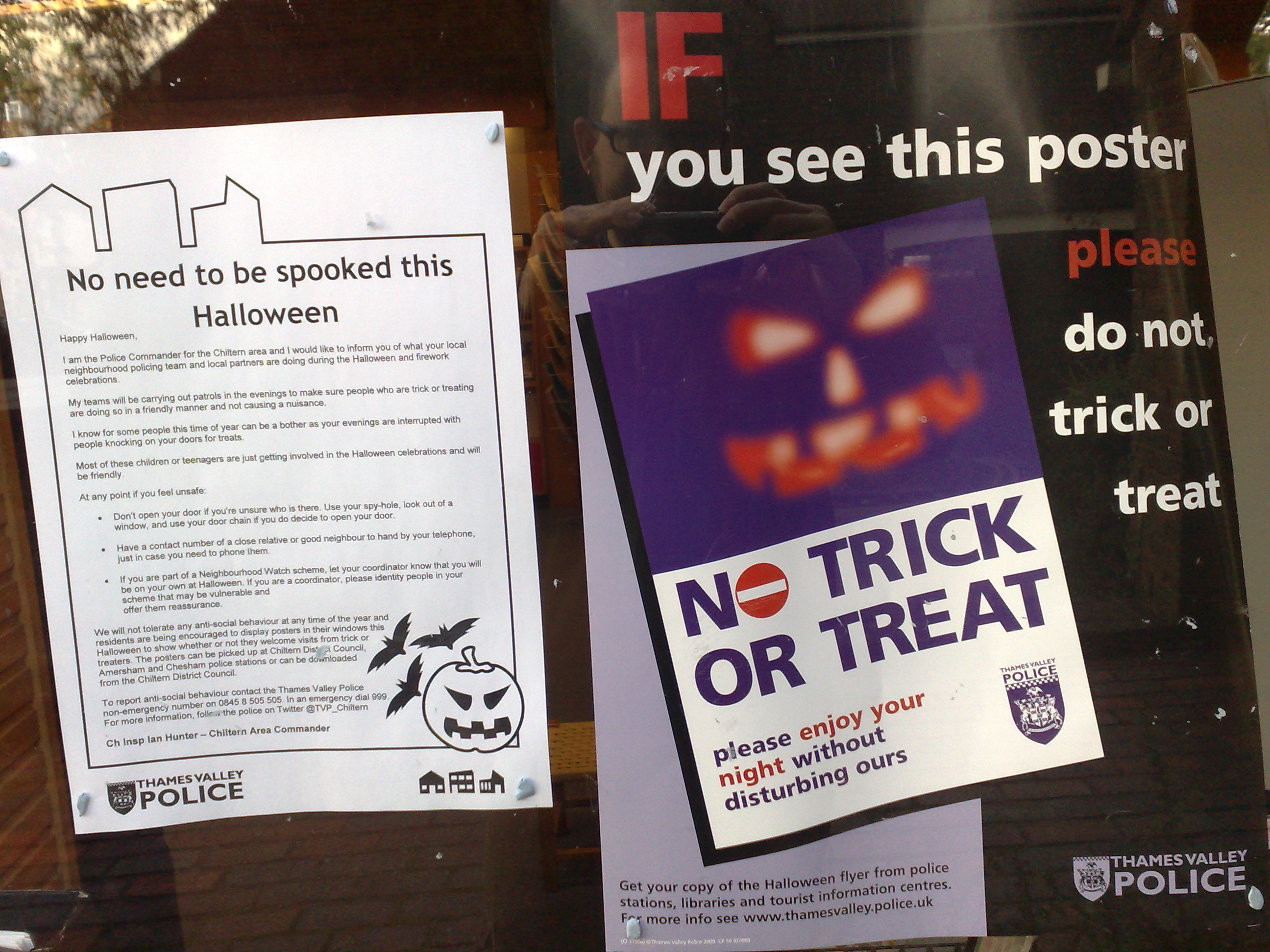
What inspired this post was a trip to my local library last week, where I spotted this poster on my way out:

a warm Hallowe'en welcome?

What really blows about the message of the poster is the assumption that trick or treating is somehow “anti-social behaviour waiting to happen”.

Give me a break. Really.

Now I understand that costumed freaks knocking on the door for sweets* might be intimidating if you’re a little old lady (*candy if you’re reading this in the good ol’ U.S. of A.). I get that, I really do. I’ve lived in some of the roughest areas of the sprawling metropolis in my time, and I admit that a couple of times I was bricking it when I answered the door on Hallowe’en night. But I have always, always opened my door to trick or treaters.

In fact the day I don’t answer the door, to a bunch of kids dressed up in their Hallowe’en finest, with a ceramic Jack Skellington head filled with treats is the exact same day I’m officially no longer useful. I mean it, it’s proof-positive that I’ve become an old fart (oh, okay that happened already). But if that day really does happen, go ahead and ship me out to Resyk. Turn me into Soylent Green (“…is people!”). The day I don’t open my door to trick or treaters is the day I succumb to the fears that the cretins at the Daily Mail would have me losing sleep over. It’s the day I lose my optimism that the Great Unknown, the Big What If might offer something fun, something different, maybe something challenging and – yes – scary.

Hallowe’en (and its origins) is all about us facing up to perhaps our greatest fear of all – that of our own mortality. Samhain rites around the world have resonated with the simple, common core idea that we should honour our dead on one day of the year – stare death in the face and celebrate it – laugh at it. Celebrate death? How queer. Think about it, if we can do that then we are no longer afraid – and we might even be inclined to give ourselves over to some optimism and fun for at least some of the days and nights that we are still on the planet.

And we might even be inclined to open that door and make a child’s day by joining in with the fun.

I say save the bah humbug for Christmastime, and here’s wishing everyone – young and old – A HAPPY HALLOWE’EN!

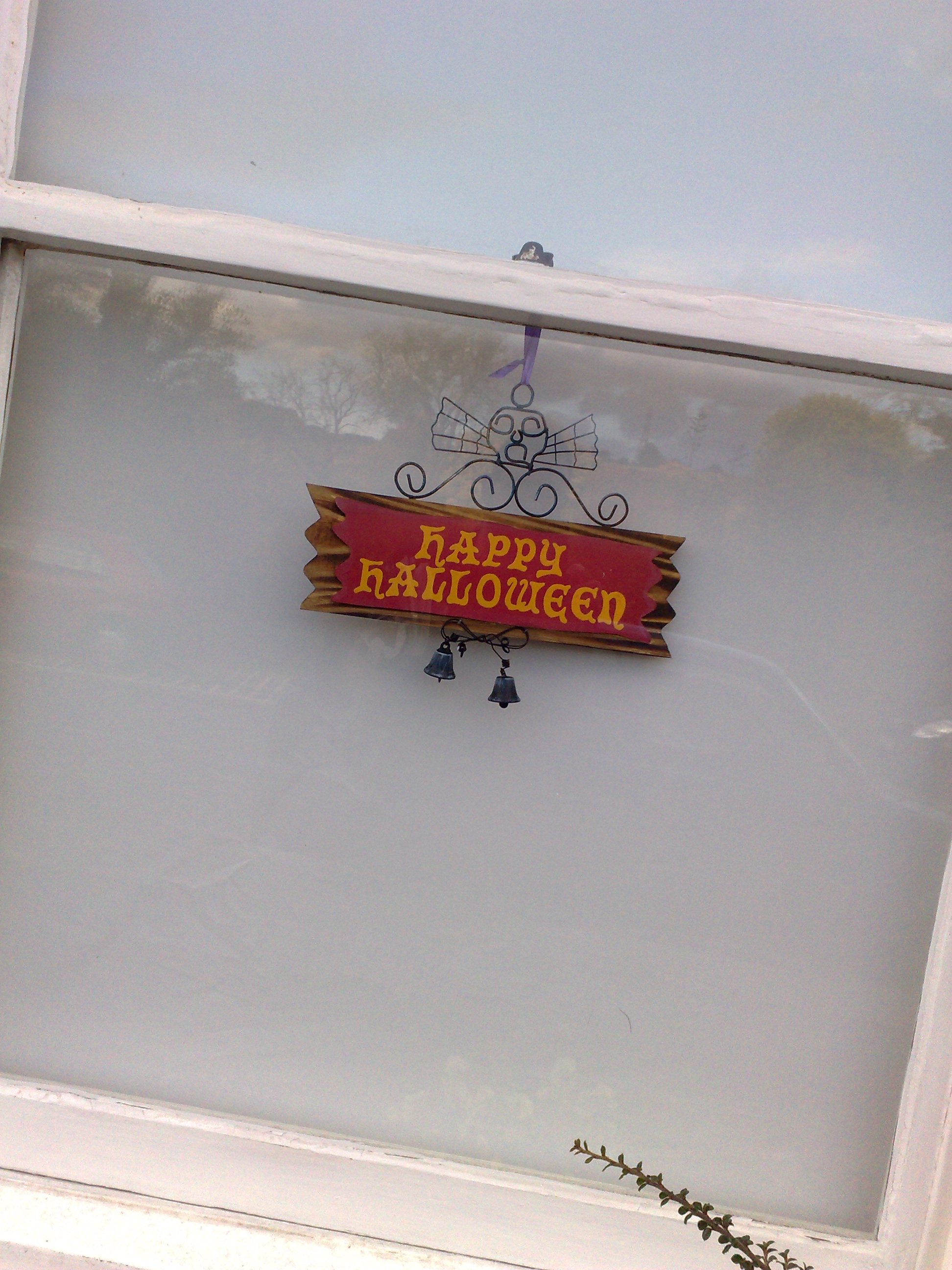
a warmer Hallowe'en welcome!

Elective madness, consumer riots & social psychopathy in the Age of Greed

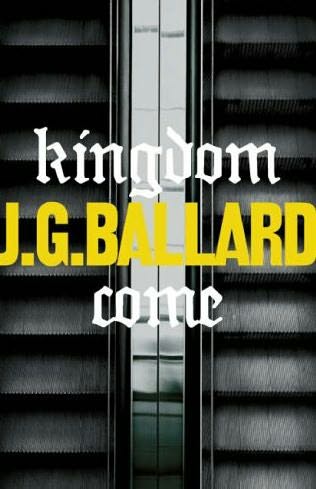
Been thinking about my all-time fave author J.G. Ballard of late. I mean, feral gangs smashing and grabbing amidst the tower blocks? How very ‘High Rise’. A graphic designer arrested for looting? How very ‘Kingdom Come’.

I first read Ballard’s latter novel a couple of years ago, while still living in LondonTown. It resonated deeply with my innate hatred of, and perverse fascination with, shopping malls and rampant consumer culture in general.

As parts of London, and Birmingham, and then Manchester burned behind the cool indifference of my tellybox screen, I reached for Ballard on my shelf again. The terrifying prescience of his writing is at times a peculiar comfort.

In particular, I found myself recalling an exchange between the protagonist Richard Pearson, and wacky psychiatrist Dr Maxted (thanks to Laura Hird’s excellent book review site for saving me the effort of typing this extract) :

”Elective insanity is waiting inside us, waiting inside us to come out when we need it. We’re talking primate behaviour at its most extreme. Witch-hunts, auto-da-fes, heretic burnings, the hot poker shoved up the enemy’s rear, gibbets along the skyline. Willed madness can infect a housing estate or a whole nation.’

‘Thirties Germany?’

‘ Good example. People still think the Nazi leaders led the German people into the horrors of race war. Not true. The Germans were desperate to break out of their prison. Defeat, inflation, grotesque war reparations, the threat of barbarians advancing from the east. Going mad would set them free, and the chose Hitler to lead the hunting party. That’s why they stayed together to the end. They needed a psychopathic god to worship, so they recruited a nobody and stood him on the high altar. The great religions have been at it for millennia.’

‘States of willed madness? Christianity? Islam?’

‘Vast systems of psychopathic delusion that murdered millions, launched crusades and founded empires. A great religion spells danger. Today people are desperate to believe, but they can only reach God through psychopathology. Look at the most religious areas of the world at present – the Middle East and the United States. These are sick societies, and they’re going to get sicker. People are never more dangerous than when they have nothing left to believe except in God.’

‘But what else is there to believe in?’ I waited for Maxted to reply, but the psychiatrist was staring through the picture window at the dome of the Metro-Centre, fists gripping the air as if trying to steady the world around him. ‘Dr Maxted?’

‘Nothing. Except madness.’ Maxted rallied himself and turned back to me. ‘People feel they can rely on the irrational. It offers the only guarantee of freedom from all the cant and bullshit and sales commercials fed to us by politicians, bishops and academics. People are deliberately re-primitivizing themselves. They yearn for magic and unreason, which served them well in the past, and might help them again. They’re keen to enter a new Dark Age. The lights are on, but they’re retreating into the inner darkness, into superstition and unreason. The future is going to be a struggle between vast systems of competing psychopathies, all of them willed and deliberate, part of a desperate attempt to escape from a rational world and the boredom of consumerism.’

‘Consumerism leads to social pathology? Hard to believe.’

‘It paves the way. Half the goods we buy these days are not much more than adult toys. The danger is that consumerism will need something close to fascism to keep it growing. Take the Metro-Centre and its flat sales. Close your eyes a little and it already looks like a Nuremberg rally. The ranks of sales counters, the long straight aisles, the signs and banners, the whole theatrical aspect.’

‘No jackboots, though,’ I pointed out. ‘No ranting fuhrers.’

‘Not yet. Anyway, they belong to the politics of the street. Ourstreets are the cable TV consumer channels. Our party insignia are the gold and platinum loyalty cards. Faintly risible? Yes, but people thought the Nazis were a bit of a joke. The consumer society is a kind of soft police state. We think we have choice, but everything is compulsory. We have to keep buying or we fail as citizens. Consumerism creates huge unconscious needs that only fascism satisfy. If anything, fascism is the form that consumerism takes when it opts for elective madness. You can see it here already.’

‘In bosky Surrey? I don’t think so.’

‘It’s coming Richard.’ Maxted pursed his lips, as it to shut out all possibility of a smile. ‘Here and in the towns around Heathrow. You can feel it in the air.’

II believe we are living in the Age of Greed. A society built on the 1980s culture of me-me-me consumerism, and blended with the entitlement culture of the 1990s & 2000s (under a Tory ‘coalition’ government intent on squeezing the British Isles tighter than ever) is liable to burst. To tear apart at its sweatshop-stitched seams.

‘It’s coming… You can feel it in the air.’

You certainly can, J.G. 

Roll end credits:

And fade to red: